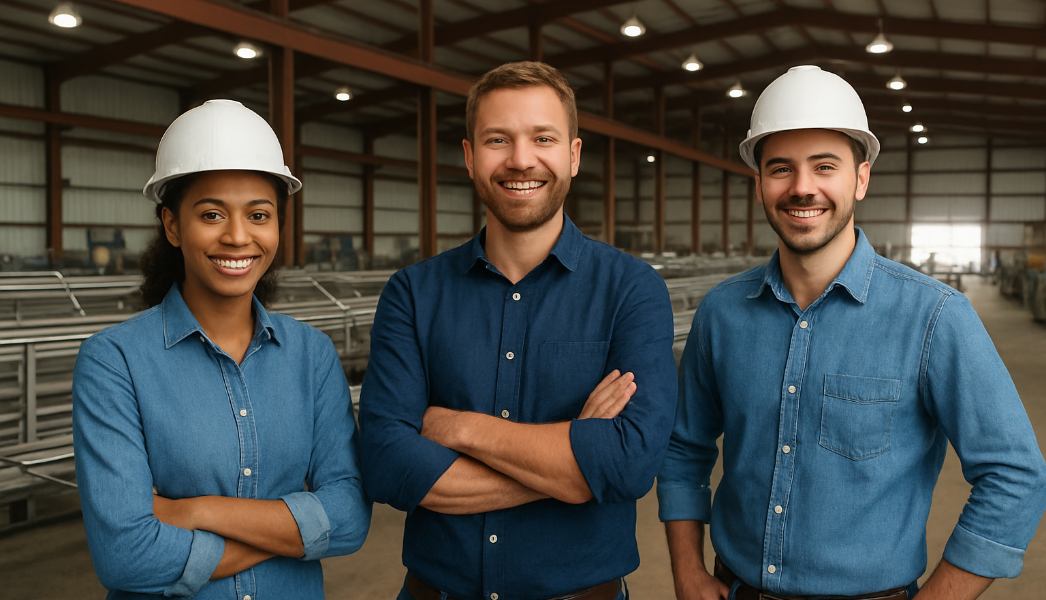
Our machines process millions of pounds of produce every year, operating daily for decades. If there's a tomato on the shelf, it likely ran across a Tri-Pak machine.
We have always been strongly family-oriented. Employees enjoy paid maternity/paternity leave along with PTO and sick leave.
While we do seek particular skillsets, a can-do attitude and willingness to learn is what will determine your success here, and ultimately, ours.
Tri-Pak has been building post-harvest equipment in Harlingen since 1934. Ninety years on, machines we shipped in the 1970s are still running in packing sheds across the country — and more often than not, the people who service them are the same people who built them.
That's the part of this job that's hard to explain until you've done it. You don't build a thing, ship it, and never hear about it again. You build it, you watch it get installed, and you take calls about it for the next thirty years. The work is physical and it's visible. At the end of a shift you can point at what you made.
We're a small shop by design. Fabrication, machining, wiring, assembly, and engineering all happen under one roof, which means the welder and the engineer talk to each other daily instead of trading drawings across a wall. Nobody here is a cog in a process they can't see the whole of.
And the industry matters. Growers depend on this equipment inside a narrow harvest window — when a line goes down in the middle of tomato season, that's not an inconvenience, that's a crop. Our reputation rests on machines that don't quit and a phone that gets answered when they do.
We've been family-owned for four generations, and it shows up in how we treat people.
Paid maternity and paternity leave, paid time off, and sick leave. The people who build our machines have lives outside the shop, and we plan around that.
Several of our current leads and supervisors started on the floor. We would rather promote someone who already knows how our machines go together than hire a stranger to manage them. Tell us where you want to end up and we'll help you build the path.
People here pick up adjacent trades. A fabricator learns wiring, an assembler learns hydraulics, a service tech learns to program. The more skills you add under your belt, the more interesting the work gets, and the more valuable you become as a worker - here and beyond.
Attitude first. We can teach you to weld to our spec, read our prints, or wire a panel to our standard. We can't teach you to show up on time, take pride in your work, or speak up when something looks wrong. Bring the second half and we'll handle the first.
What the process looks like. When a position opens, the first place we look is the applications already on file. From there it's usually a phone conversation, then a visit to the shop so you can see the work and meet the people you'd be working alongside. For hands-on roles, expect a practical demonstration: show us what you can do. For office and engineering roles, expect to walk us through a past project in detail.
What we're honest about. This is manufacturing. Some of it is hot, loud, and physical. Harvest season brings busy stretches. We'd rather you know that going in than find out three weeks later.
Where we're headed. We expect to be hiring later this year across fabrication, assembly, field service, and the office. Nothing is posted yet — but we are reading everything that comes in.
We don't have posted openings at the moment — but that's a snapshot, not a policy. We expect to be hiring later this year, and when we do, we start with the people who already raised a hand.
Tell us who you are and what you're good at. If something opens up that fits, we'll reach out. No pressure, no obligation, and we don't share your information with anyone outside Tri-Pak.
Fields marked are required. Everything else helps, but skip anything you'd rather not answer.
 Ice Crushers
 Conveyors
 Receiving
 Washing
 Sorting
 Grading
 Packing
 Tomatoes
 Onions
 Melons
 Citrus
 Potato
 Carrot
 Cucumber
 Shrimp
 Belts
Belts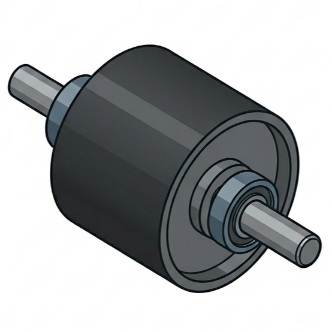 Pulleys
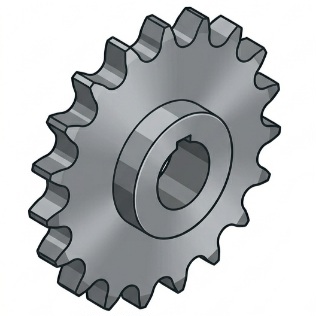 Sprockets
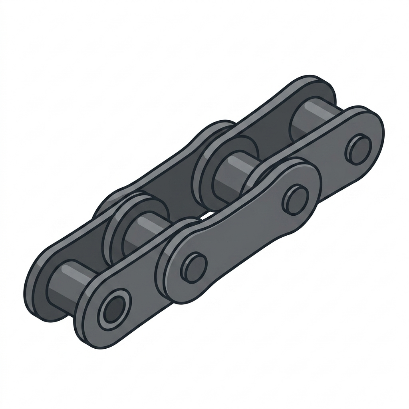 Chain
Chain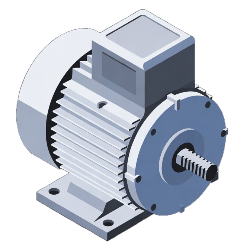 Motors
 Reducers
 Bearings
 Bushings